English

5 Hidden Gems of Southeast Asia You Probably Don't Know About
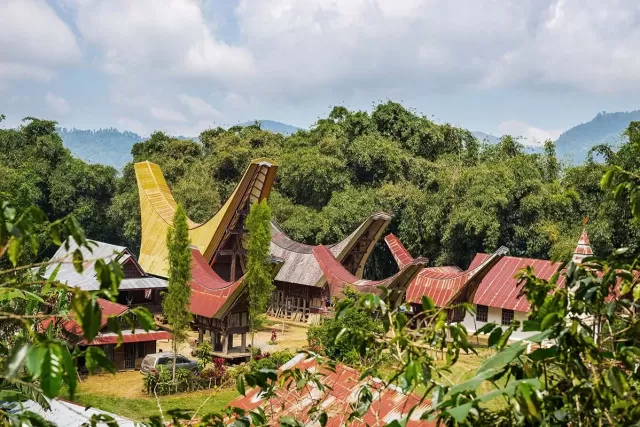
There's been a lot of talk lately about the difference between tourism and travel. While traditional tourism is usually about endless lists of places to visit that all tourists go to (and are always packed with people), the true spirit of travel lies in the curiosity for the unknown. Venturing off the beaten path allows for a genuine connection with the essence of a place. By straying from the beaten track, you discover living stories, flavors that haven't been altered for the foreign palate, and a hospitality that feels more genuine. Below, you'll discover five Southeast Asian destinations that, while less famous, offer a wealth of cultural and natural treasures capable of transforming your perspective on the world.
Malacca, Malaysia:
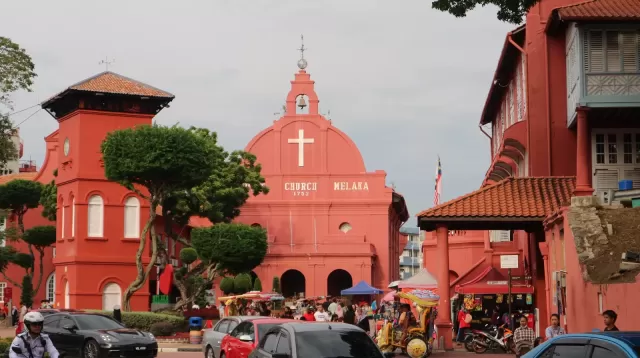
Often overshadowed by the modernity of Kuala Lumpur, Malacca is a destination shaped by Asia's maritime history. This port city was for centuries a meeting point for traders from India, China, the Middle East, and Europe. As you wander its streets, you immediately notice how the architecture tells stories of Portuguese, Dutch, and British occupations, creating a cityscape that seems frozen in time yet vibrant with life.
The city offers a delightful experience for the senses. Malacca's cuisine is also very famous in the region, a fusion of flavors that reflects its multicultural heritage. It's a place where the old and the new converge in harmony , offering an atmosphere of mystery that invites you to explore every corner. This destination is perfect for lovers of history and fine food; Malacca offers a cultural immersion quite different from that of the country's capital, but with a warm, welcoming atmosphere.
Kampot, Cambodia:
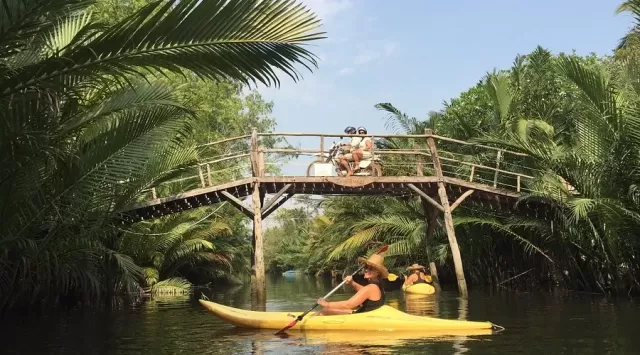
Near the Vietnamese border, Kampot presents itself as a serene, yet equally captivating, alternative to other Cambodian cities. While boasting a robust tourist infrastructure, it maintains a tranquil atmosphere that sets it apart from other parts of the country. The influence of the French occupation is evident in the colonial style of some of its buildings, a few now in ruins, which dot a landscape dominated by mountains and salt flats.
The city is situated around the river of the same name and framed by the Elephant Mountains. An interesting fact for those seeking culinary experiences is that the nearby town of Kep is world-renowned for its pepper plantations and crab market. Here you can buy fresh crab, which will be prepared with the famous local pepper upon request.
Another surprise you can find here is the opportunity to spot the Irrawaddy dolphin, a rather rare species that has the peculiarity of being able to live in both fresh and salt water.
Atauro Island, East Timor:
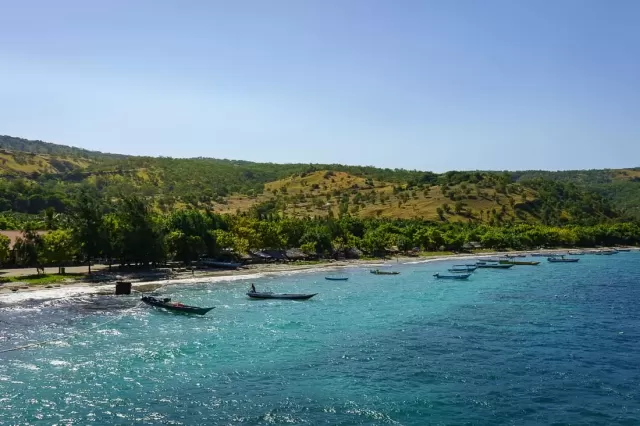
If you're looking for total escape and unspoiled nature, Atauro Island in Timor-Leste is the perfect destination. Located a short boat trip from Dili, the capital, this island is a Southeast Asian ecotourism gem that remains virtually untouched. Its silhouette of conical mountains and cloud-shrouded volcanoes offers unparalleled hiking opportunities, while its local communities maintain ancestral traditions and a remarkable linguistic diversity.
What truly sets Atauro apart is its marine life. Scientists estimate that its waters are home to some of the most biodiverse reefs on the planet. It's a diver's dream: hundreds of species of colorful fish, dolphins, and whales frequent the surface. The Portuguese influence, present until 2002, subtly intertwines with the local culture in the architecture and cuisine, creating a captivating environment where time seems to flow at a different pace.
Southwest of Sulawesi, Indonesia:
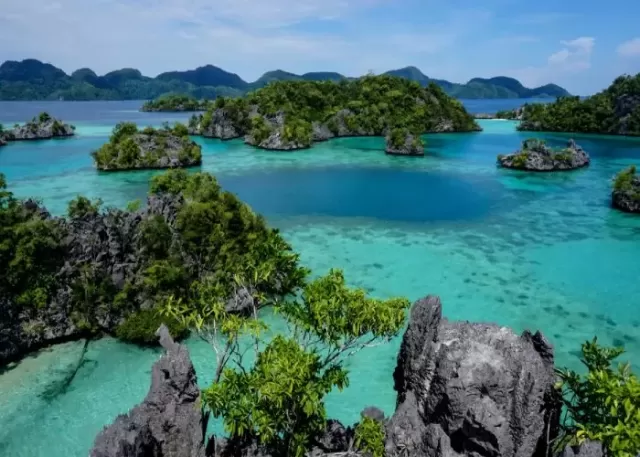
Located in the heart of the Indonesian archipelago, the island of Sulawesi boasts incredible biodiversity and numerous ecosystems ranging from rainforests to volcanic peaks and pristine coral reefs. However, beyond its undeniable natural beauty, the region captivates with its profound spiritual and historical significance.
This region is also home to the Bugis people, who are said to have resided there since 30,000 BC. They believed that all living beings possessed a spiritual essence and were renowned as excellent navigators. Today, their traditions remain deeply rooted, especially in places like Toraja. Here, funeral rites are large-scale community events that can last for weeks, celebrating the soul's journey to the afterlife, or "Puya." Witnessing these ceremonies and understanding the local philosophy, which views death not as an abrupt end but as a transition, offers a unique and moving cultural perspective that you will hardly find anywhere else in the world.
Luang Prabang, Laos:
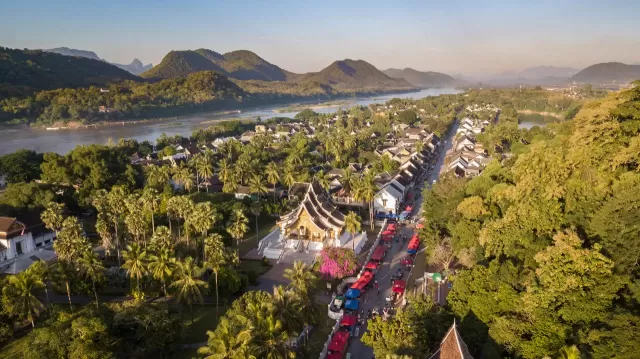
Last on this list is Luang Prabang, with its unique architectural appeal resulting from the blend of European urban structures built during the 19th and 20th centuries. This former capital and spiritual center sits at the confluence of two major rivers. The city is an exceptional example of the fusion between traditional Lao architecture and European colonial urban structures from the 19th and 20th centuries. This remarkably well-preserved cityscape has earned worldwide recognition for its aesthetic and cultural harmony.
The atmosphere of Luang Prabang is one of absolute peace. One experience not to be missed occurs at dawn, when Buddhist monks dressed in saffron robes walk the streets for the daily alms-giving ceremony, a tradition dating back to the 14th century. Outside the city center, you can also find spectacular places like Kuang Si Falls and Pak Ou Caves.
