English

Discover what Wagashi is: The Ultimate Guide to Traditional Japanese Sweets
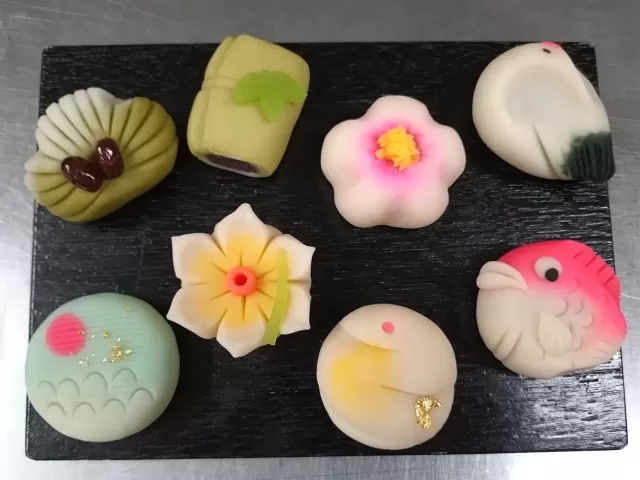
Japan offers a cultural experience that extends far beyond its temples and landscapes; it manifests itself deliciously in its traditional confectionery. For the curious traveler, exploring the world of wagashi (traditional Japanese sweets) is an essential way to connect with the heart of its culture. This guide introduces you to some of these delicacies, each with a unique texture, history, and flavor worth discovering.
Manju (饅頭)
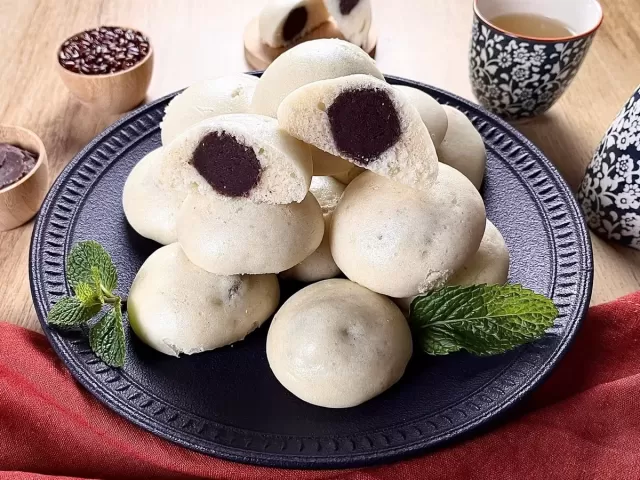
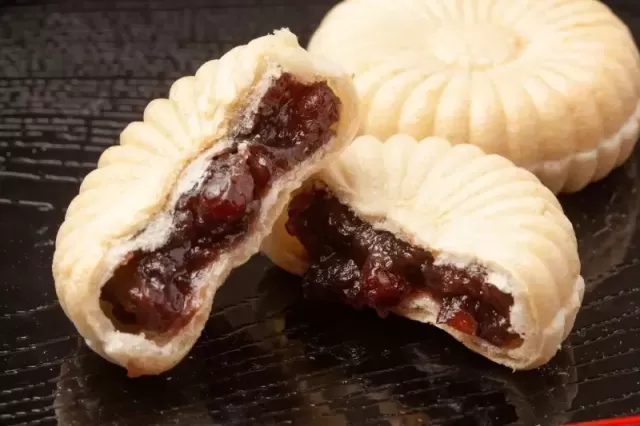
Manju is one of Japan's most popular and accessible sweets, with a long history. This delicious pastry has a soft, fluffy, cake-like exterior, made from flour, rice flour, or buckwheat flour. Its classic filling is a sweet red bean paste ( anko ). Its fluffy texture is what distinguishes it from mochi , which is chewier. This delightful dessert is an integral part of Japanese culture. It's commonly enjoyed during festivals and special occasions and is a staple in many local shops. You can enjoy it with a cup of green tea or as a snack, making it the perfect little treat any time of day.
There are two main types of manju: steamed and baked. The steamed version has a soft, moist texture, while the baked version has a slightly crispy exterior. Both varieties are delicious and offer distinct sensory experiences. Manju are small buns that are traditionally round with a smooth outer layer, although baked versions come in a variety of shapes. A famous example is the momiji-manju from Hiroshima, which is shaped like a maple leaf.
Dango (だんご)
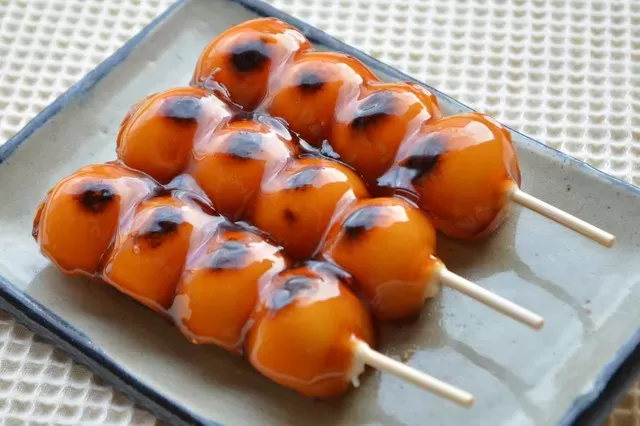
Dango are small, chewy, steamed balls made from rice flour. They are typically served skewered on a stick, three or four at a time, and topped with a sweet sauce or bean paste. Tip: Dango is best enjoyed fresh, as it has a more tender texture.
Taiyaki (たい焼き)
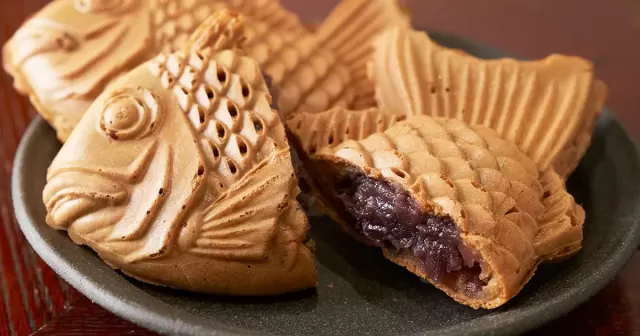
Taiyaki is a classic Japanese street food with a very distinctive shape: that of a fish (red snapper), although it contains no fish. Its easy-to-eat format and fun shape make it a very popular traditional street food, frequently found at matsuri (festivals) throughout Japan.
These pastries are typically filled with the same sweet red bean paste. They're sold fresh at street stalls and festivals, though specialty shops also offer modern versions with fillings like custard, chocolate, or even cheese. The ideal experience is to eat taiyaki fresh from the mold, when the dough is still crispy.
Namagashi (生菓子)
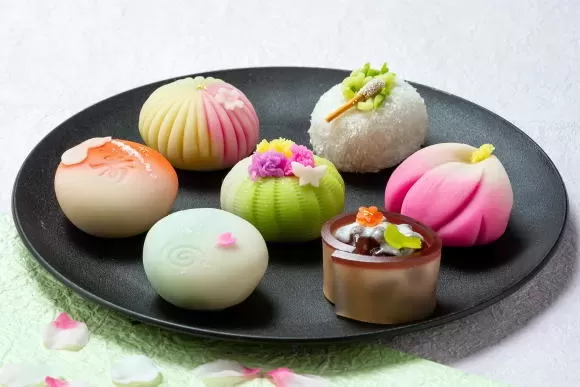
Namagashi is an expression of fine Japanese confectionery, more elaborate than most other wagashi . These are small, unbaked "cakes," usually made of rice, served at tea ceremonies. They incorporate anko (red bean paste), jellies, fruits, or nuts as fillings. Their main characteristic is an incredible softness that makes them easy to eat. They are made with rice flour and a delicate bean paste filling, and are hand-shaped with artistic precision to reflect the seasons (flowers in spring, leaves in autumn, etc.). Their ever-changing appearance is an essential part of their meaning.
Daifuku (大福)
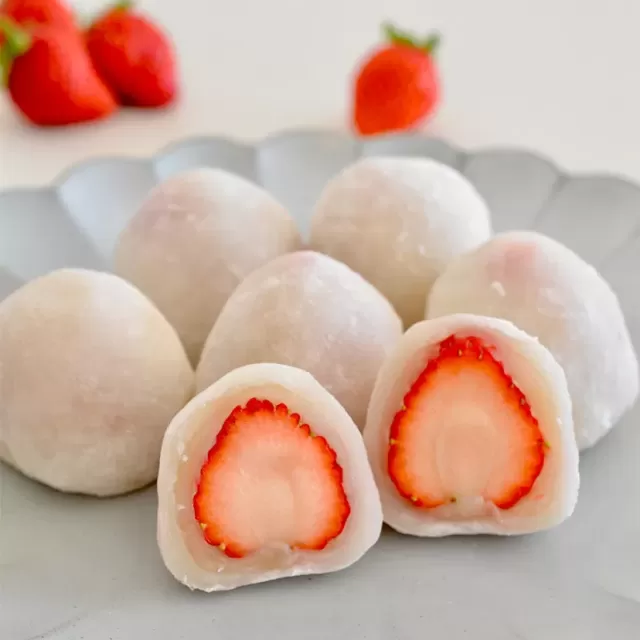
Daifuku consists of a soft rice cake ( mochi ) that encases a small portion of sweet bean paste or other fillings. To prevent sticking, they are coated with a light layer of potato starch. Popular variations of daifuku include strawberry ( ichigo daifuku ), bean ( mame daifuku ), and even ice cream. It is crucial to consume daifuku soon after purchase, as the mochi hardens quickly when exposed to air.
Dorayaki (どら焼き)

Dorayaki is easy to recognize: it consists of a sweet bean batter sandwiched between two round, slightly sweet pancakes. Its international fame grew after becoming the favorite snack of Doraemon, the popular anime character. Modern variations of dorayaki may include fillings such as whipped cream, custard, or matcha-flavored cream.

Anmitsu (あんみつ)
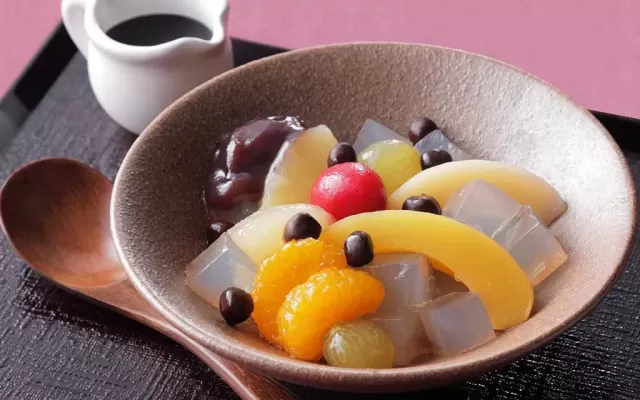
Anmitsu is a traditional Japanese dessert that perfectly combines various textures and flavors. It typically consists of small cubes of agar-agar jelly ( kanten ), sweet red bean paste ( anko ), and fresh fruit, such as tangerines. The dish is often finished with a drizzle of kuromitsu , a thick, sweet dark sugar syrup poured over the dessert just before serving.
The base of this dessert is kanten , a jelly made from red algae that provides a distinctive, slightly chewy texture. You can enjoy anmitsu in its classic form or with various toppings and additions; a very popular version includes a scoop of ice cream, in which case it's called "cream anmitsu."
Oshiruko/Zenzai (おしるこ/ぜんざい)
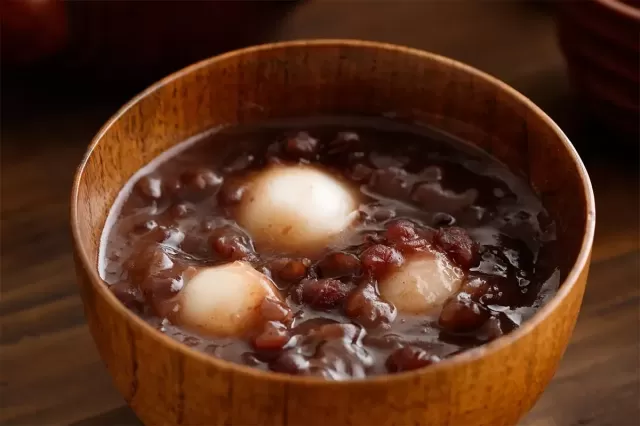
Oshiruko is a type of sweet soup consisting of a warm, sweet red bean soup with toasted rice cakes ( mochi ) or rice flour balls. The bean soup can have different textures, sometimes including whole pieces of beans and sometimes not. A similar dish is zenzai , which is characterized by a thicker, more viscous soup. It's a comforting dessert, ideal for the colder months.
Yokan (羊羹)
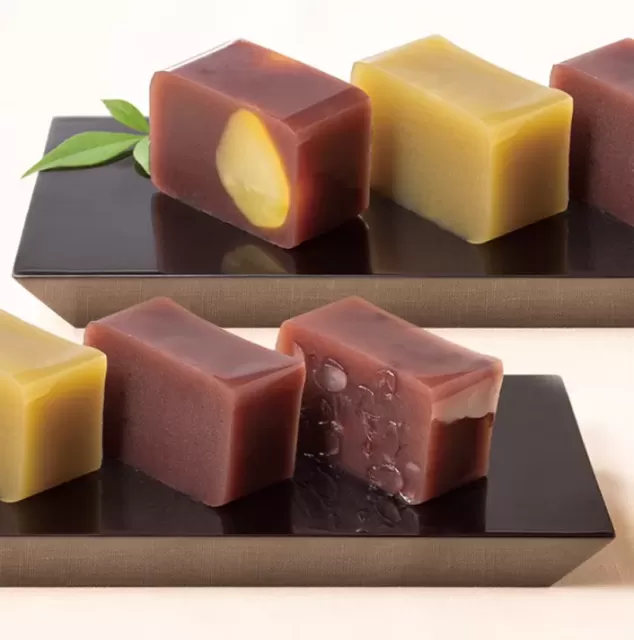
Yokan is a sweet, firm bar with a texture similar to thick jelly, made from sugar and agar-agar kanten . It comes in a variety of flavors, such as a type of blue azuki bean, matcha, or black sugar. Individual servings are usually about the size of a small pack of gum, while larger bars need to be sliced before serving. One advantage of yokan is that it doesn't require refrigeration and has a relatively long shelf life, making it a great souvenir to take home.
Monaka (最中)
Monaka is a type of wagashi consisting of a filling of azuki bean jam sandwiched between two crisp mochi cookies. These neutral-flavored cookies come in a variety of shapes, colors, and sizes, often featuring elaborate seasonal designs.
Traditionally, monaka are filled with the classic bean paste, but they can also be found filled with ice cream, cream, cream cheese, or chestnut paste. These sweets are usually served with tea. This type of cookie has the characteristic of losing its crispness quickly when exposed to air, so it should be eaten as soon as possible.
Exploring these desserts is like stepping into a universe of delicacy, seasonality, and flavor. Each bite is not just a sweet treat, but a small lesson in culture, art, and tradition. What are you waiting for to try one of these delicacies?
