English

Discover Vietnam: A complete travel guide with the best places to visit and where to learn about its history and culture
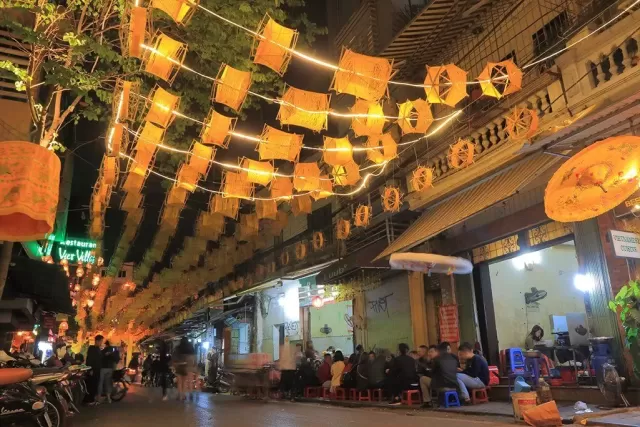
Vietnam is a country that combines modernity and technological development with vibrant nature and a rich culture. Additionally, for history and adventure enthusiasts, it offers a multitude of activities and entertainment. If you're a traveler looking for something different from the usual tourist destinations, this guide is for you.
1. Must-See Destinations
When people think about traveling to Vietnam, they usually have one of these places in mind:
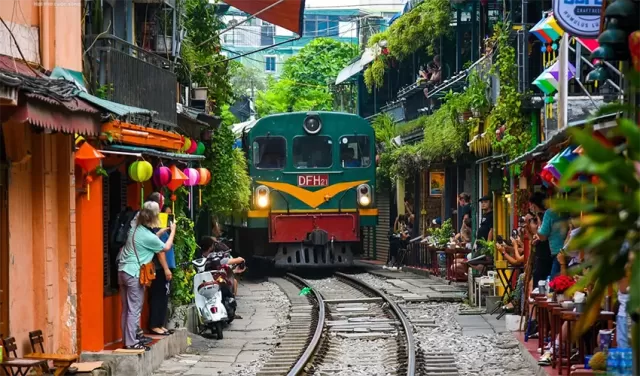
Hanoi, the northern capital, is one of Vietnam's most important historical centers. Its Old Quarter is a labyrinth of 36 bustling streets. Immersing yourself in Vietnamese coffee culture is highly recommended. Specialties like coconut iced coffee or salted iced lattes await you in hidden cafes.
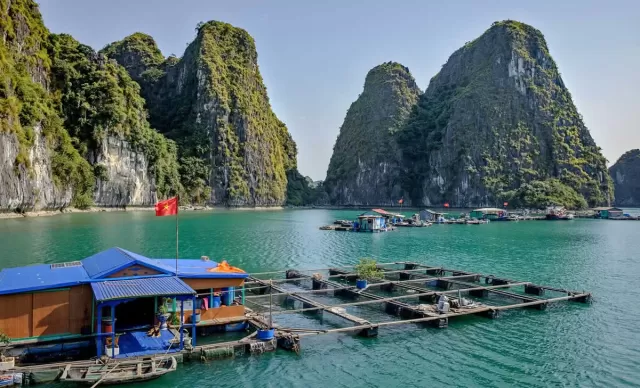
Ha Long Bay: Just a few hours from Hanoi lies the equally famous Ha Long Bay . This UNESCO World Heritage Site is renowned for its emerald waters and thousands of karst islands covered in vibrant vegetation. It's an iconic and easily recognizable landscape, so naturally it attracts a considerable number of tourists.
Hoi An: Located in the heart of the country, it's no less famous than Ha Long Bay. Known as the "City of Lanterns," its charm lies in its well-preserved architecture and romantic atmosphere. The magic happens at sunset, when you can take a boat trip along the river and release a lantern into the water—a tradition that intensifies during its famous festival, illuminating the city with thousands of lights.
Da Nang: Not far from Hoi An lies Da Nang, a coastal city. On weekends, the Dragon Bridge comes alive with a spectacular fire and water show that draws huge crowds. Another must-do activity is taking the cable car (one of the longest in the world), which ascends the mountains, offering breathtaking panoramic views of the coast and hills.
Ho Chi Minh City (Saigon): Located in the south , Ho Chi Minh City is a city with a fast pace of life, which has led to incredibly rapid economic development. It is the most bustling city in Vietnam, but also a technological and cultural hub.
2. Less Traveled Roads: Authentic Experiences
The true depth of Vietnam is revealed by venturing slightly off the beaten path, delving into living traditions and essential historical chapters to understanding the contemporary country.
a) The Floating Markets of the Mekong
Life in the Mekong Delta revolves around water, and there is no better example than its floating markets, bustling centers of commerce and culture.
- Nga Nam Floating Market: Located in Soc Trang province, this market is the convergence point of five canals. Its vibrant atmosphere is hard to match, making it the central market of the region. You'll see long boats laden with rice, vegetables, seasonal fruits, shrimp, fish, and crabs. To get there, from Ho Chi Minh City, take a bus to Ca Mau (about 8 hours) and then local transport to Nga Nam.
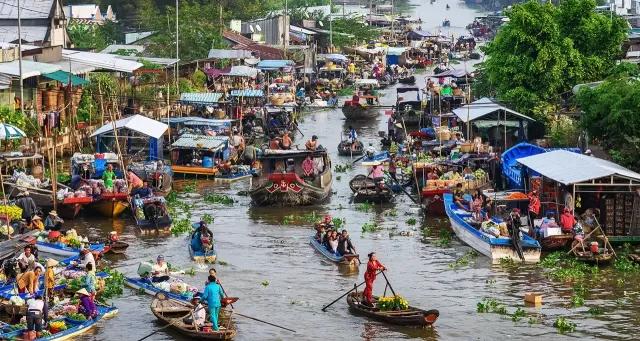
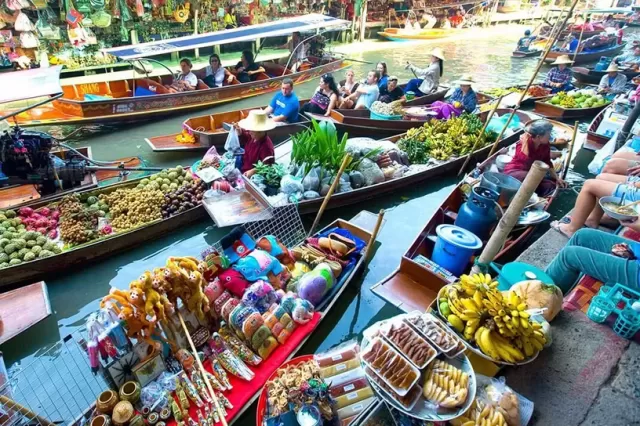
- Cai Rang Floating Market (Cần Thơ): This is the largest and most accessible floating market in the Nile Delta , making it also the most popular. It's a wholesale market where vendors hang their wares on poles, creating a colorful floating catalog, especially of exotic fruits from the region. There are even boats that serve coffee. It's easily accessible by bus from Ho Chi Minh City to Can Tho.
b) Islands of Contrasts: Côn Đảo
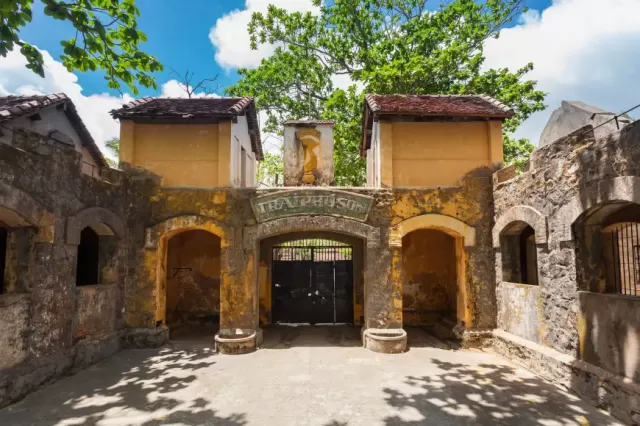
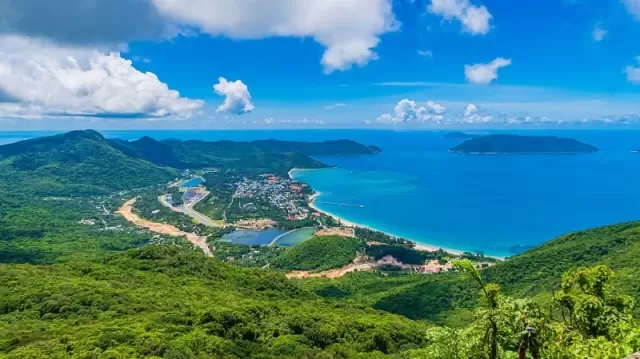
The Côn Đảo archipelago, off the southern coast, is a paradise of white-sand beaches, vibrant jungle, and world-class diving . But this beauty hides a dark past. For much of the 20th century, its prisons were the scene of one of the most brutal chapters in Vietnamese history. The Côn Đảo Prison Complex , under French and then American administration, was known as "hell on earth." Visiting it today is an act of remembrance and tribute, a powerful reminder of the Vietnamese people's resilience in the face of repression.
c) Museums to learn about history
Understanding Vietnam involves reflecting on its war history, presented in a raw and moving way in two key museums:
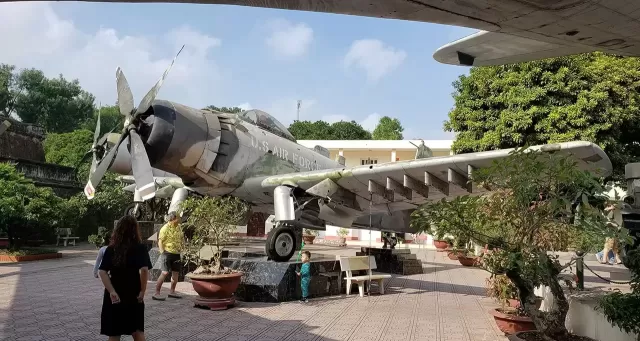
- War Remnants Museum (Ho Chi Minh City): Its mission goes beyond mere exhibits; it seeks to educate about the crimes and consequences of war, promoting awareness against unjust conflicts. The collection of military weaponry outside (tanks, aircraft) contextualizes the conflict, while the photographs inside convey, in a harrowing way, the human cost of war.

- Vietnam Military History Museum (Hanoi): Opened in 1959, this museum offers a comprehensive overview of the country's military strategy and resistance. Its outdoor collection is fascinating for those interested in military engineering, showcasing everything from tanks and jet aircraft to a wide variety of weapons used throughout its history.
Summary of Experiences:
| Destination / Experience | Guy | Main Feature | Note for the Traveler |
|---|---|---|---|
| Hanoi | City | Coffee culture & chaotic Old Town | Look for lesser-known coffee shops online; you might be pleasantly surprised. |
| Ha Long Bay | Natural | Karst Landscape & Cruises | Iconic and beautiful, but prepare yourself psychologically for the crowds. |
| Hoi An | Cultural | Historic Architecture & Lanterns | Experience the sunset on the river with a lantern. |
| Da Nang | Coastal City | Beaches & Modernity | Dragon Show (weekends only). |
| Ho Chi Minh City | Metropolis | Urban Energy & Recent History | Perfect base for exploring the Mekong Delta. |
| Floating Markets | Cultural/Traditional | Life on the Mekong & Photography | Cai Rang is more accessible; Nga Nam is more authentic/local. |
| Côn Đảo | Natural/Historical | Pristine beaches & Penitentiary past | A unique combination of beauty and historical reflection. |
| War Museums | Historical/Educational | Memory & Human Consequences | An essential visit for a deep understanding of Vietnam. |
Good luck on your trip!
