English

The Ultimate Guide to Hakone, Japan: What to see, best time to visit and what activities you CAN'T miss.
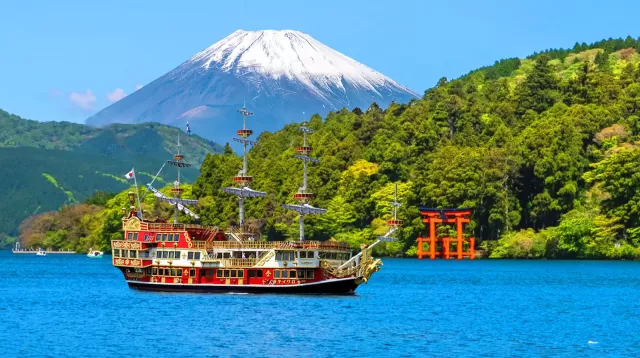
Hakone stands as one of Japan's most iconic and complete destinations. This enclave, nestled in the mountains and recognized for its hot springs, offers an experience that transcends the seasons, combining relaxation, culture, art and landscapes of serene beauty. If after a busy visit to Tokyo you want to see a different side of Japan, immerse yourself in its vast culture and get to know its topography better, Hakone is the destination for you.
What to See in Hakone: A Route through its Essential Jewels
The wealth ofHakone, Japan, Resides in its diversity. A well-planned itinerary will allow you to range from spiritual serenity to the volcanic force of nature.
1. The Serenity of Hot Springs (Onsen)
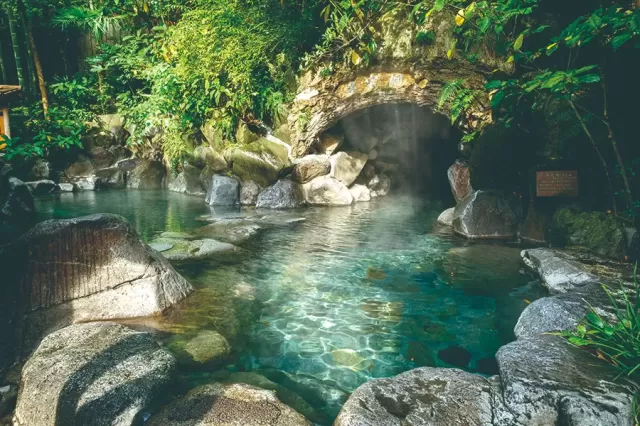
The soul ofHakone JapanBeats in theirOnsen. Almost allRyokan(Traditional inns) and hotels in the area take advantage of these waters of high mineral quality, famous for their relaxing and therapeutic properties. Immersing yourself in a thermal bath, especially outdoors, with the fresco of the mountain or the view of a Japanese garden, is a fundamental experience that connects with the deepest tradition in the country.
2. The biggest question: From Hakone do you see Mount Fuji?
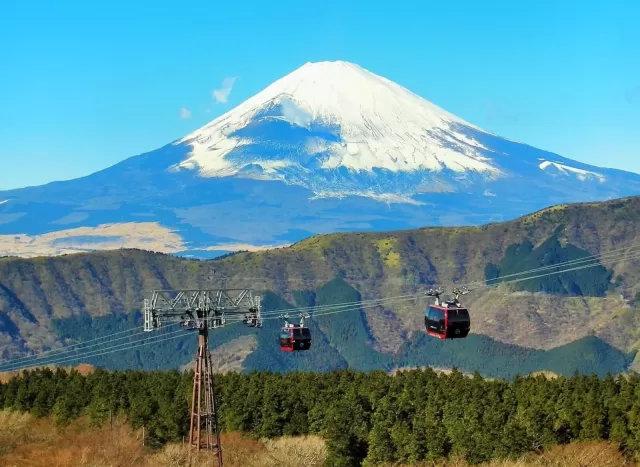
One of the recurring questions is:From Hakone do you see Mount Fuji?The answer is yes, but no! Although, Hakone is one of the privileged places to take a look at Mount Fuji, (especially from the waters of Lake Ashi) visibility is not guaranteed all year due to the cloudiness of the area.
To maximize your opportunities,Where to see Mount Fuji from HakoneMost likely is during the months of December to February, when clear days are more frequent. For a close and full view, many travelers combine their visit with nearby Lake Kawaguchi.
3. The Hakone and Owakudani Cable Car
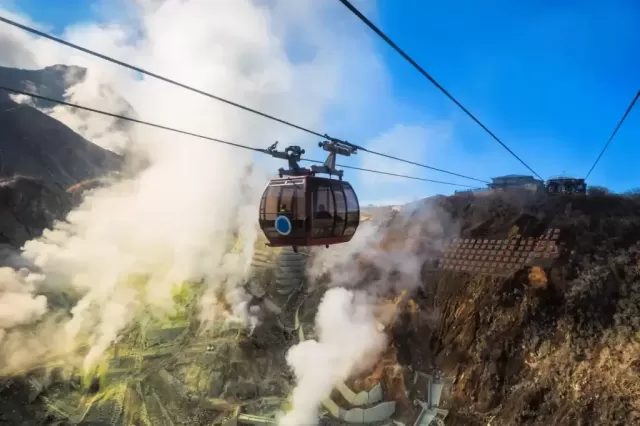
One of the most shocking experiences is taking theHakone cable carThat flies over the Owakudani volcanic valley. This crater, created 3000 years ago, is an active geothermal area where sulfur fumaroles and boiling springs emanate. The view from above is magnificent and, on clear days, offers another perspective of Mount Fuji. Of course, don't forget to try the famousKuro-tamago(Black eggs), cooked in hot springs and said to extend life by seven years.
4. Sailing the Calm: Lake Ashi
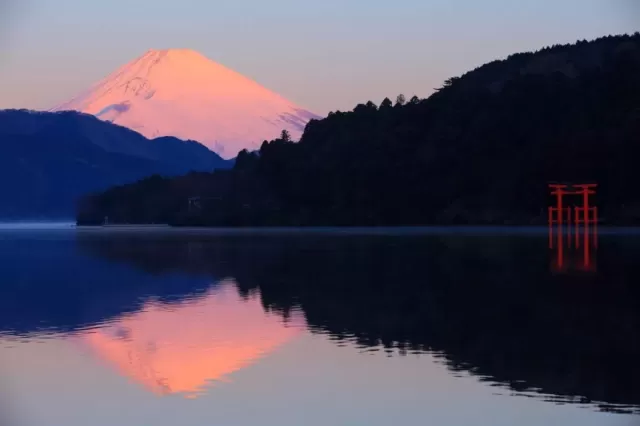
Lake Ashi (Ashinoko), of volcanic origin, is a mirror of serenity surrounded by forested mountains. A ride on the tourist boats, some shaped like a classic pirate ship, allows you to enjoy quiet panoramas and, again, if you have good luck, admire Mount Fuji.
5. The Sanctuary of Hakone and its Torii of Peace
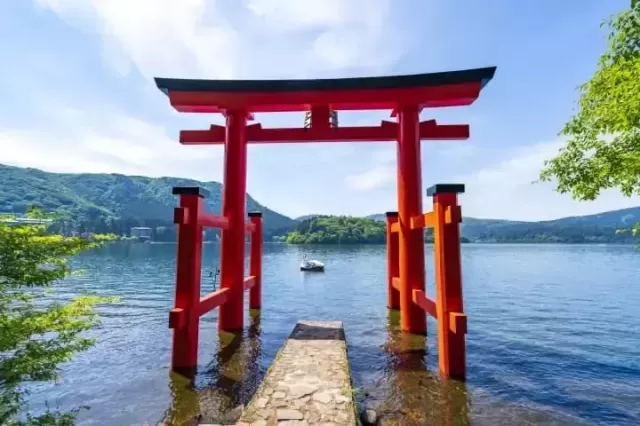
TheSanctuary of Hakone(Hakone Jinja) is a place of powerful spiritual beauty. Hidden among a dense forest on the shores of the lake, its most photogenic element is theHakone Shrine Peace Torii, Which stands solemnly on the water. A path flanked by stone lanterns leads from this torii to the main buildings, creating an atmosphere of deep peace, especially palpable when haze envelops the environment.
6. Art in Nature: The Hakone Outdoor Museum
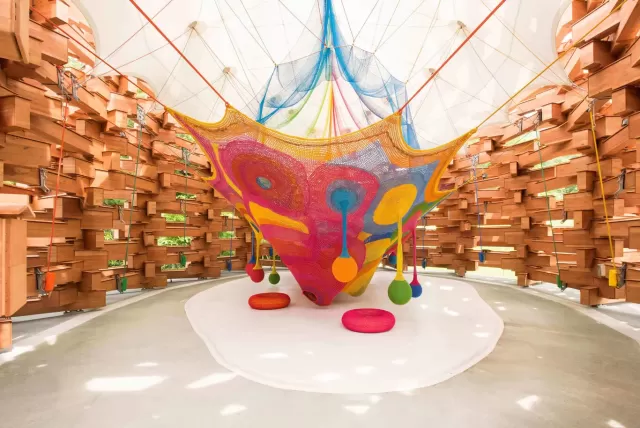
For a cultural contrast, the Hakone Open Air Museum is a marvel. This museum fuses art and landscape, exhibiting sculptures by international and Japanese artists amid gardens and overlooking the mountains. His Picasso Pavilion, with an extensive collection of works by the artist, and the "Symphonic Sculpture", a tower with stained glass through which you can ascend, are his highlights.
Best Time to Go to Hakone:
TheTime in HakoneVaries notably with the seasons, defining distinct experiences. Choose theBest time to go to HakoneDepends on what you're looking for.
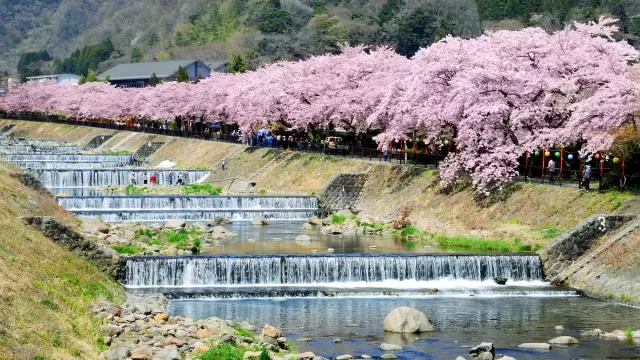
- Spring (March-May):It is an ideal time. The weather is mild, and between late March and April, cherry blossoms paint the landscape pink. It's high season, so you'll find more visitors.
- Summer (June-August):The mountains wear an intense and luminous green. Thanks to the altitude, the climate is considerably cooler than in cities. Fireworks festivals are usually held in August.
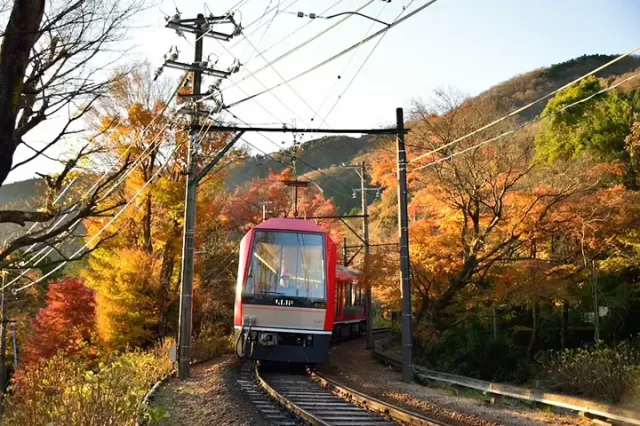
- Autumn (September-November):Rivalizes with spring in popularity. From October to November, the forests burst into shades of red, orange and yellow, offering an unforgettable chromatic show.
- Winter (December-February):It is the station most likely to enjoy clear skies to see Mount Fuji, which may appear snowy. In addition, it is the perfect time to enjoy aOnsenWhile the air is cold, a sublime combination.
Summary: Activities and its Optimal Epoch
| Activity/Experience | Spring | Summer | Autumn | Winter | Notes |
|---|---|---|---|---|---|
| See Mount Fuji | Moderate | Low | Moderate | High | Better visibility in winter. |
| Thermal Baths (Onsen) | Excellent | Good | Excellent | Optimal | Cold-heat contrast in winter is unique. |
| Natural Landscape | Cherry trees | Lush Green | Autumnal Foliage | Snow/Clarity | Autumn is highlighted for its colors. |
| Visit to Owakudani | Good | Good | Good | Good | Accessible all year round, variable climate. |
| Lake Ashi Navigation | Excellent | Excellent | Excellent | Good | It may be cold in winter, but clear views. |
| Influence of Tourists | High | Medium-High | Very High | Medium-Low | Avoid Japanese national holidays. |
