English

Essential guide for your first trip to Japan: Climate, How to save money, Visa and Safety.
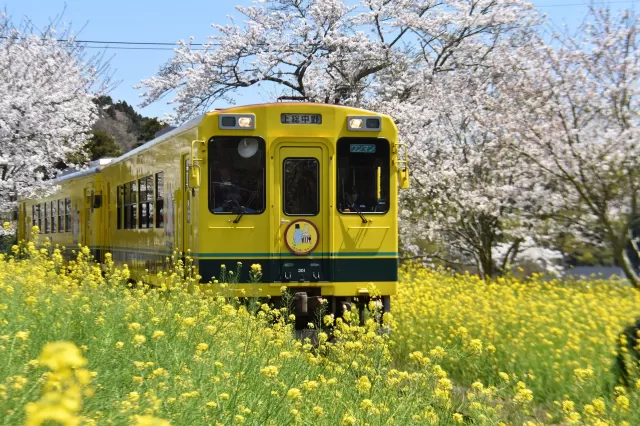
Japan presents itself as a destination of contrasts, where ancient tradition and innovation intertwine in a diverse landscape. For Latin American travelers, planning this adventure requires considering key factors that will define the experience. This guide addresses the fundamental questions for organizing your visit.
The visa issue: entry to Japan for Spanish speakers
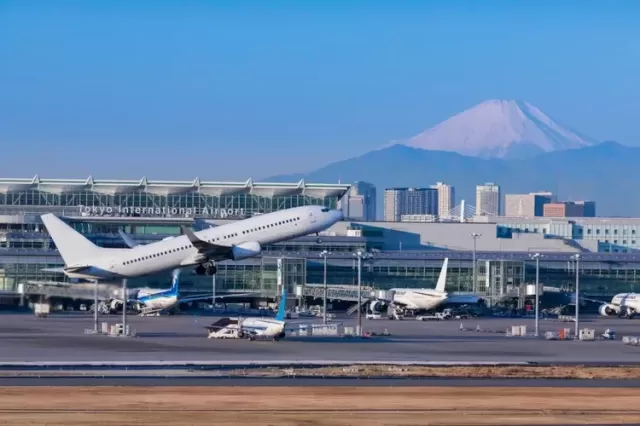
One of the first things to do is confirm the entry requirements. For citizens of Spanish-speaking countries, the conditions vary. Currently, travelers with passports from Argentina, Chile, Costa Rica, El Salvador, Guatemala, Honduras, Mexico, Panama, Paraguay, Peru, the Dominican Republic, Uruguay, and Spain do not need a visa for short-term tourist stays, typically up to 90 days. It is mandatory that your passport is valid for a sufficient period and that you have a return ticket. You should always check the specific and up-to-date requirements with the Japanese embassy or consulate before your departure, as these agreements may change.
Understanding the seasons: What is the best time to travel to Japan?
There's no single answer. Japan's elongated geography creates very different climates: from the frigid winters of Hokkaido in the north to the subtropical climate of Okinawa in the south. The "best" time to visit depends entirely on what kind of experience you're looking for.
Spring (March-May): The Peak Season Par Excellence
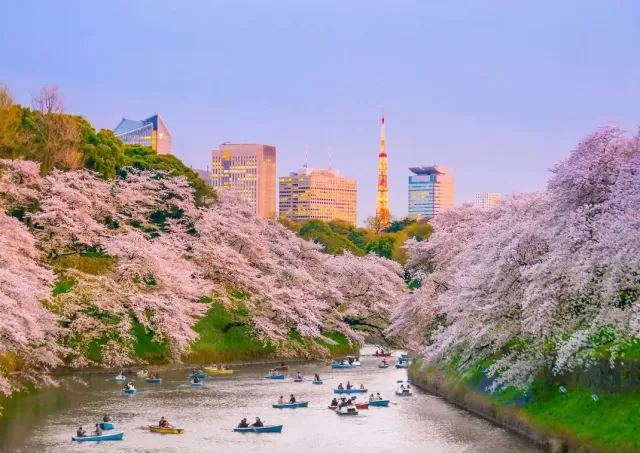
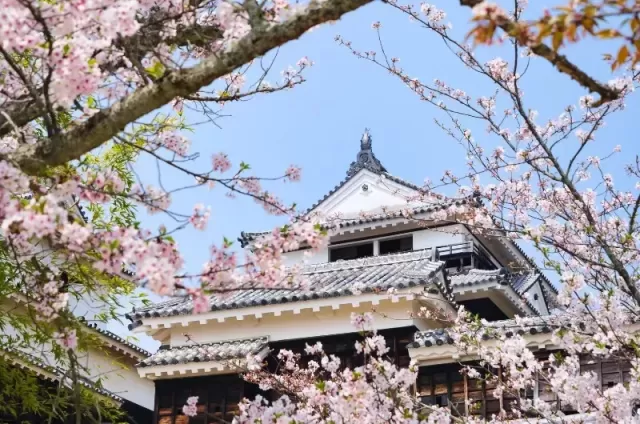
This is hanami season, or cherry blossom viewing, a cultural event of great beauty. The landscapes are painted in pink and white, especially from late March to April. The weather is mild and pleasant. However, it is also the peak tourist season, which means higher prices for flights and accommodation, and greater crowds at tourist sites.
Summer (June-August): Heat, Humidity and Festivals
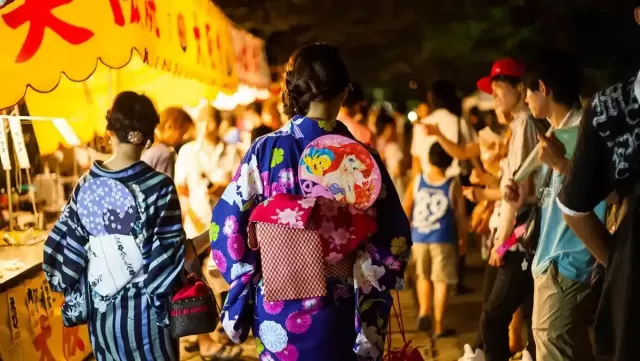
From June to August, Japan experiences intense heat, with temperatures that can exceed 30°C and an even higher heat index. June and the first half of July are typically the rainy season ( tsuyu ) across much of the archipelago, with high humidity and frequent rainfall. This period also coincides with typhoon season. It's not the most comfortable time for long walks, although it is the season for vibrant festivals ( matsuri ) and fireworks ( hanabi ). Hokkaido and the mountainous regions offer some respite with cooler temperatures.
Autumn (September-November): Color and Temperance
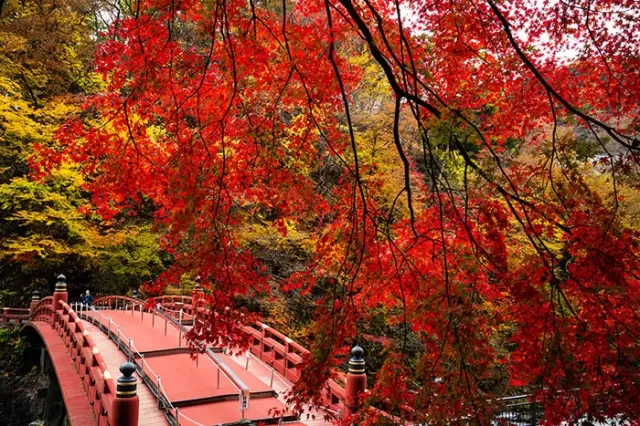
Many consider autumn the best time to visit. The weather becomes cool and stable, with clear skies. The mountain landscapes and gardens are transformed with the warm colors of autumn foliage ( kōyō ), creating scenes of serene beauty. September and October generally offer a good balance between favorable weather and slightly lower prices than in spring.
Winter (December-February): Cold, Snow and Fewer Crowds
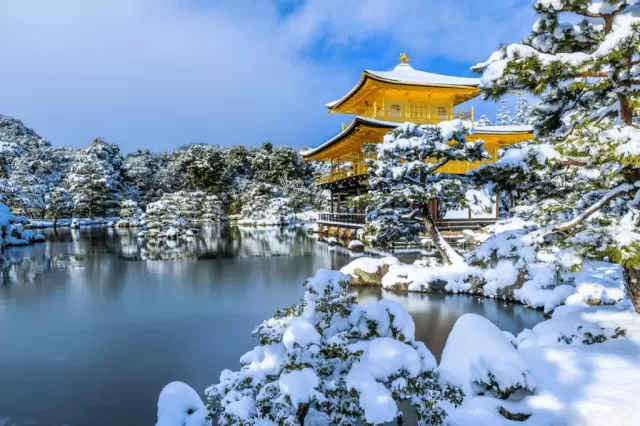
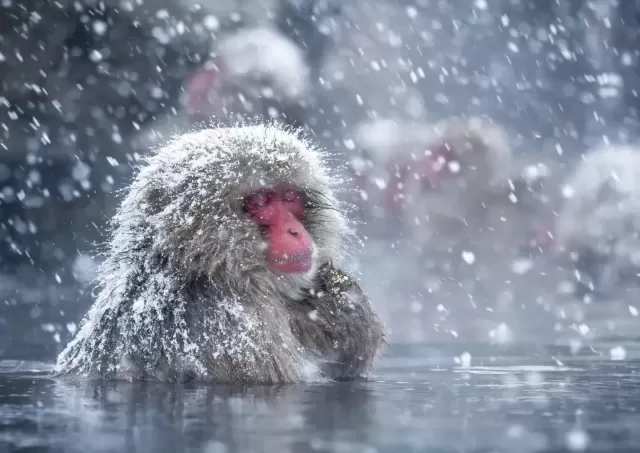
Winter is cold and dry in cities like Tokyo, Kyoto, and Osaka, with low but generally tolerable average temperatures. It's the most economical time to travel, excluding the expensive Christmas and New Year holidays. You'll find fewer tourists and lower travel costs. It's the ideal season to visit the famous onsen (hot springs) and to enjoy winter sports in regions like Hokkaido, central Honshu, or the mountains of Nagano.
The price factor: how much does it cost to travel to Japan
Japan has a reputation for being expensive, but with planning it's an affordable destination. Prices fluctuate considerably depending on the season.
- Peak Season (March-April, "Golden Week" in early May, November): Flight and accommodation prices reach their highest point. Booking well in advance is crucial.
- Mid-season (May, September-October): Costs are moderate, especially in early autumn, which can offer very good value for money.
- Low Season (January-early March, June-August -except holidays-):
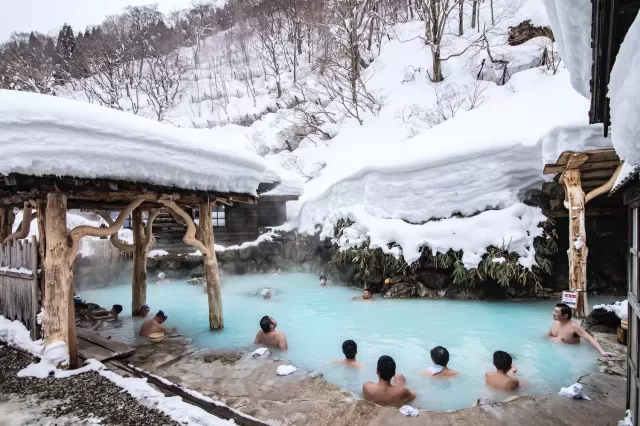
You'll find the lowest fares. Winter (except for New Year's) is the ideal time for budget travelers. Summer, despite the heat, can also be cheaper outside of major festivals.
To save money, consider staying in budget ryokans , business hotels , or hostels, and take advantage of the exceptional public transport system with regional train passes.
In search of the ideal moment: What is the best month to travel to Japan?
Choosing the month is a personal decision:
- For hanami (cherry blossom viewing): Late March or early April (the exact date varies each year and by region).
- For the kōyō (autumn foliage): From mid-October in Hokkaido to early December in Kyoto.
- For a balanced climate and economy: May (after "Golden Week") and October . They offer pleasant temperatures, less rain than in June, and lower tourist density than in the height of spring.
- For those on a limited budget: February (post-New Year) is cold but dry, with low prices and the possibility of seeing winter festivals.
- For summer festivals: July and August , although you should be prepared for the heat and humidity.
Peace of mind regarding safety: Is it safe to travel to Japan?
Japan is recognized as one of the safest countries in the world for travelers. Rates of violent crime and theft are exceptionally low. You can walk through cities large and small with a high degree of peace of mind, even at night. It's a destination where female travelers can feel comfortable and safe exploring alone, as verbal street harassment is uncommon.
However, it's important to be aware of a local problem on public transportation: " chikan ," or unwanted touching on crowded trains and subways. As a measure, the country has women-only cars during rush hour (similar to the "pink car" in Mexico), which are clearly marked. It's recommended to remain vigilant in these crowded situations.
