English

The Best Time to Travel to Vietnam: An Extremely Detailed Guide.

Vietnam is a country of astonishing beauty and diversity, from the misty mountains of Sapa to the white-sand beaches of Da Nang and the bustling Mekong Delta. However, its climate varies dramatically from north to south, making it essential to choose the right time for your adventure. If you're wondering when the best time to travel to Vietnam is, there's no single answer: it depends entirely on the regions you want to explore and the type of experience you're looking for.
To plan successfully, it is essential to understand Vietnam as three distinct climate destinations.
The Climate Map of Vietnam: North, Central and South
Northern Vietnam (Hanoi, Sapa, Halong Bay)
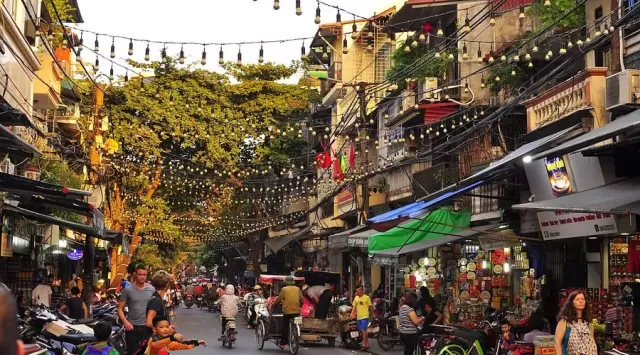
- Cool and dry season: November to April. December and January can be cold, especially in mountainous areas.
- Hot and humid season with rain: May to October.
- Best time to visit: Spring (March-April) and autumn (September-November). Warm and sunny days.
Central Vietnam (Huế, Hoi An, Da Nang)

- Hot and dry season: January to August. July and August can be very hot.
- Rainy and typhoon season: September to November.
- Best time to visit: February to August. More pleasant and sunny weather.
Southern Vietnam (Ho Chi Minh, Mekong Delta)

- Dry season: November to April. Intense heat from March to May.
- Rainy season: May to October. Short, intense rains, very green landscapes.
- Best time to visit: Any time of year is possible. The dry season is more comfortable, but rain rarely prevents a trip.
Month-by-month analysis: Finding your ideal date
If you want to know specifically what the outlook is month by month, this is the information you need:
- January: Dry and cool in the north (cold in the mountains), sunny in the south, and the central region emerging from its rains. Note: Tet (Lunar New Year) usually falls in January or February, a fascinating time but with widespread closures and high demand.
- February: Excellent weather across most of the country. Ideal for trekking in the north and beaches in the central region. Peak season.
- March: The start of peak season. Warm and dry weather. Probably the best month to travel to Vietnam if you want to combine the north, center, and south with guaranteed good weather.

- April: It continues to be excellent, although the heat is starting to intensify in the south. The northern fields are in bloom.
- May: Heat and humidity are high in the south, with sporadic rain. The north and central regions are cooler and more pleasant options.
- June and July: Rainy season in the north and south, which can make wilderness expeditions more difficult. However, the central region (Hoi An, Da Nang) shines with its best beach sunshine. The Mekong Delta turns a lush green.
- August: Very similar to June and July. The city center remains a sunny haven, perfect for beaches.

- September: A month of transition. The rains begin to subside in the north, but the central region enters its dangerous typhoon season , not recommended for travel.
- October: One of the best months to visit northern Vietnam (Sapa, Hanoi). The south is also improving. The central region, however, remains unstable.
- November: For many, the best time to travel to Vietnam . Dry, mild, and sunny weather across almost the entire country.
- December: Peak season. Cool and dry in the north, warm and sunny in the south. Christmas on the southern beaches is very popular. Nights in the north are cold.

Conclusion: Which date is best for you?
- If you're looking for the perfect balance and want to explore the whole country: March, April, and November are ideal months. They offer the most stable and pleasant combination of weather conditions across Vietnam.
- If your trip focuses on the culture and mountains of the north (Hanoi, Sapa): October and November are your best bet, with clear skies and cool temperatures. Spring (March-April) is also an excellent alternative.
- If you dream of the beaches of the central region (Hoi An, Da Nang): February through August are the months to take advantage of. June and August (and the months in between) are the sunniest seasons, and therefore also the hottest.
- If exploring the south (Ho Chi Minh City, Mekong Delta) is your priority: Visiting between December and April ensures a low probability of rain, with mostly dry days. If you don't mind short afternoon showers and prefer to avoid crowds, the green season (May-October) has a special charm.
- If you travel in summer (June-August): Focus your trip on central Vietnam and cities, avoiding activities such as trekking in the north.
- For an authentic experience and to avoid heavy rains: Avoid the months of September and October in the city center due to the risk of typhoons.
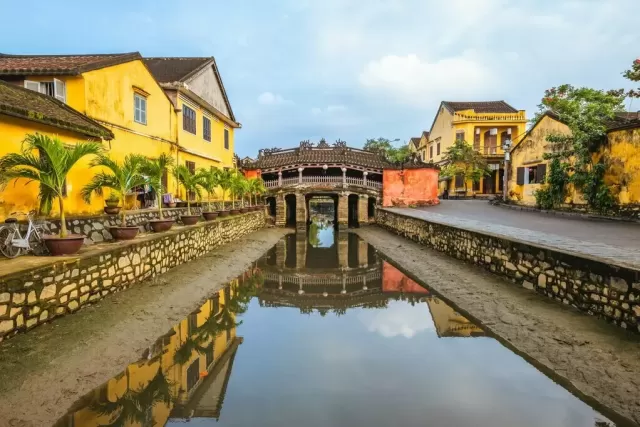
Ultimately, the best time to travel to Vietnam is determined by aligning your desired itinerary with the climate of each region. Planning with this in mind not only ensures sunnier days but also allows you to experience the country at its most beautiful.
