English

The best places to see flowers and enjoy spring in Asia
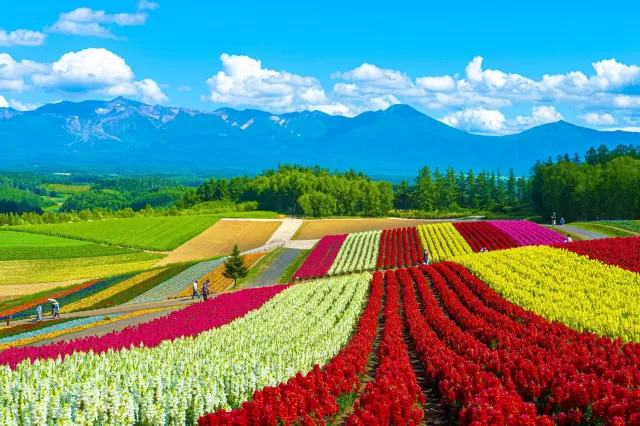
Have you ever dreamed of getting lost in a field of flowers? Many Asian countries (especially in the East) have four distinct seasons, and with each season comes a different opportunity to explore the country from a different perspective, enjoy the festivals specific to each season, and appreciate the changing colors and vibes that the seasons bring.
Jeju, South Korea
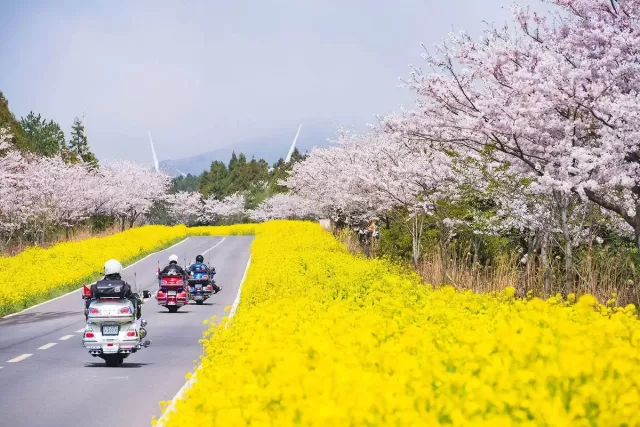
Probably one of the most famous destinations on this list, this celebrated volcanic island is also popular for its spectacular cherry blossoms, and it even has its own native cherry blossom species, which stands out compared to those found in the rest of Korea: the "king cherry." The flowers of this type of tree are larger and therefore more striking. During this season, Jeju's coastal landscape, with its volcanic cones and cliffs, is softened by the delicate pink veil of these trees.
Of course, this special cherry tree has its own festival. During this festival, cultural performances take place near cherry trees—it's hard to imagine anything more enchanting, isn't it?
Hokkaido, Japan
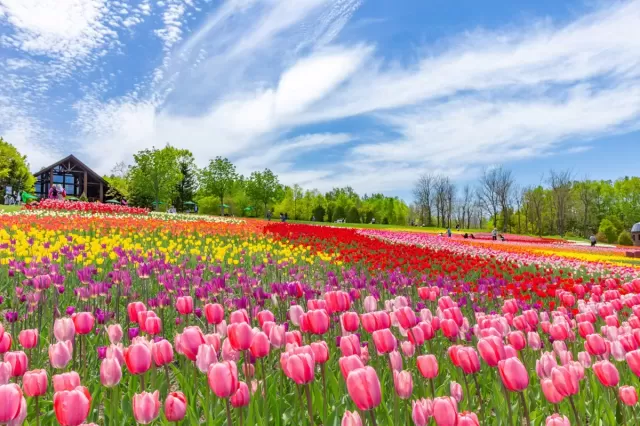
While the cherry blossoms arrive and disappear quickly in the rest of Japan, spring is experienced differently in Hokkaido, the northern island. The cooler air delays the bloom until late April and even May, offering a second chance to experience the magic of the cherry blossoms. But here, the experience offers many more possibilities, since in addition to the traditional cherry blossoms, you can see vast and colorful fields of flowers, where you'll typically find lavender, tulips, crocuses, and many others.
Another interesting point in its favor is Hokkaido's signature cherry tree, the Ezo-Yamazakura, which is unique in that it blooms with a more intense pink hue, strengthened by the region's frigid winters. Places like Matsumae Park become sanctuaries of floral biodiversity, with nearly 10,000 cherry trees of 250 different varieties, extending the season and allowing visitors to enjoy a longer blooming period than usual.
Luoyang, China
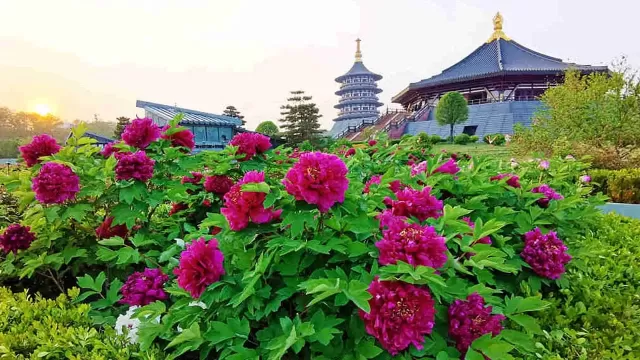
Spring in Luoyang, the former imperial capital, can still be cool and somewhat humid, with temperatures ranging from 9 to 25°C. But it is precisely during this time that the city, where peonies (a type of flower) have traditionally been cultivated, celebrates its vibrant peony bloom. Between April and May, the Luoyang Peony Festival transforms parks and gardens into a sea of color and fragrance.
Luoyang also boasts a rich history, offering the chance to explore the city's more traditional side once you've had your fill of flowers. You can admire the majestic peonies and, on the same day, explore the impressive Buddhas carved in the Longmen Grottoes, a UNESCO World Heritage Site, or visit the White Horse Temple, considered the first Buddhist temple in China. Despite all these attractions, Luoyang remains one of China's lesser-known international destinations.
Nara, Japan
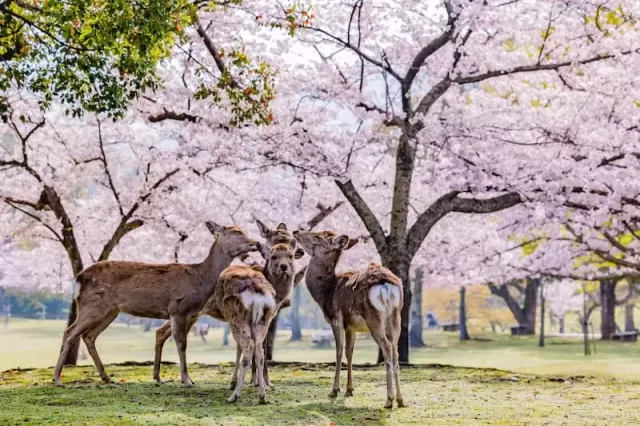
Nara is known for its deer, but perhaps not so much for its cherry blossoms. In Nara, you can find cherry blossoms far from the urban bustle. Here, the sakura frame ancient temples, forest paths, and expansive meadows, creating an atmosphere of serene beauty. Many of Nara's temples and historical sites are also part of UNESCO World Heritage sites.
In Nara Park, the famous sika deer roam freely under a shower of petals, adding a touch of tranquility to the landscape. A short distance away, Mount Yoshino (Yoshinoyama) offers one of Japan's most iconic views: thousands of cherry trees climbing the mountain slopes, transforming every walk into a journey through layers of pink and white blossoms. It's a spring with a calm and contemplative rhythm.
Chiang Mai, Thailand
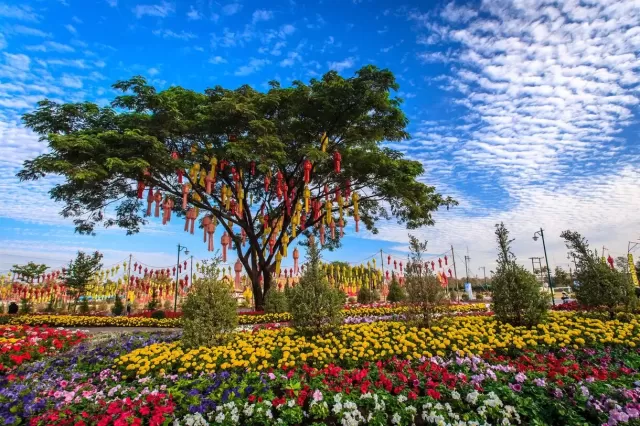
Although technically not spring, Chiang Mai's cool, dry season, from January to February, functions like a "spring-like winter" with ideal conditions for travelers. Temperatures, between 15°C and 28°C, allow for comfortable outdoor exploration, visiting temples, or venturing into the surrounding mountains—something that would be nearly impossible a couple of months later due to the high temperatures.
Precisely because of the favorable weather during these two months, the Chiang Mai Flower Festival takes place during this same period, usually in early February. During this festival, the city becomes even more colorful with float parades, numerous floral displays in parks, and special gardens that celebrate the rich horticulture of northern Thailand. It's a time like no other, full of energy, perfect for enjoying all the charm Chiang Mai has to offer and its natural surroundings before the annual heat wave begins.
Which of these destinations do you find most interesting? Which one do you want to visit first next spring?
