English

What to see in Fujian: A complete guide to Xiamen, Quanzhou and the Wuyi Mountains.
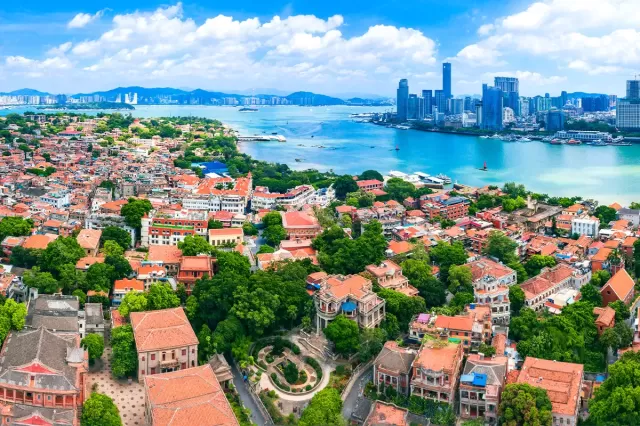
When planning a trip to the Asian giant, the most traditional routes usually begin in Beijing and Shanghai. More independent travelers also include popular cities like Chongqing and Chengdu in their itineraries. Few travelers are familiar with China's Fujian province, a fascinating destination in its own right. It offers a blend of authenticity, lush nature, and a rich cultural heritage that's hard to resist. This region is not only known as the birthplace of oolong tea, but also for its unique contrast between colonial architecture, temples that seem to float on the sea, and enigmatic circular structures that intrigue those unfamiliar with their history.
Xiamen:
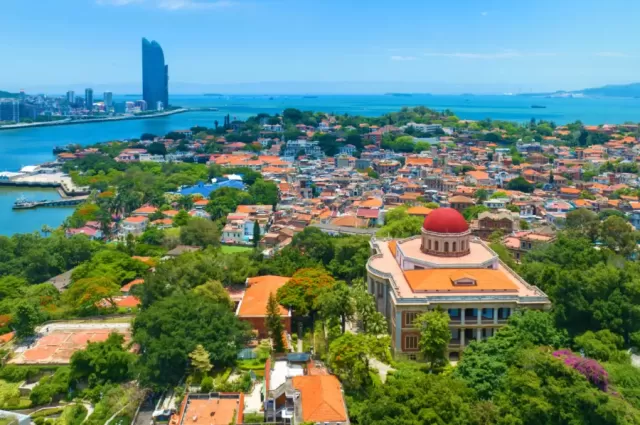
Upon arriving in Xiamen, Fujian, you'll immediately notice an atmosphere unlike that of other Chinese metropolises. This port city captivates with its pleasant climate, even in winter, and an environment where cleanliness and sea air define the everyday landscape. A highly recommended destination is Gulangyu Island, easily accessible after a short, twenty-minute ferry ride. However, be aware that motorized vehicles are not allowed on its streets, so most of the exploration will have to be done on foot. On the one hand, this allows you to admire the colonial architecture in greater detail, but on the other hand, it can be a bit tiring. One of the island's main attractions is its collection of charming museums, such as the Piano Museum, a testament to the international influence in this region.
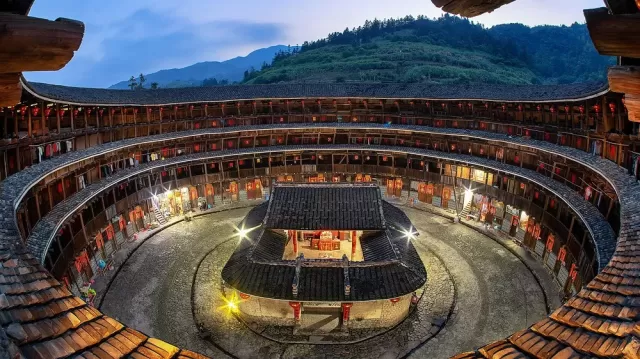
Very close to the city center, Nanputuo Temple stands as a haven of peace. With over a thousand years of history, this Tang Dynasty temple is the perfect place to witness local devotion as you stroll through its gardens. If you're looking to delve deeper into local history and tradition, the Tulou of Fujian are a must-see. Although technically located in the neighboring town of Zhangzhou, most travelers choose to depart from Xiamen to explore these colossal communal dwellings of the Hakka people. These circular earthen structures, nestled among the mountains, represent a collective way of life that has withstood the test of time and will leave you speechless with their defensive and social ingenuity.
Quanzhou:
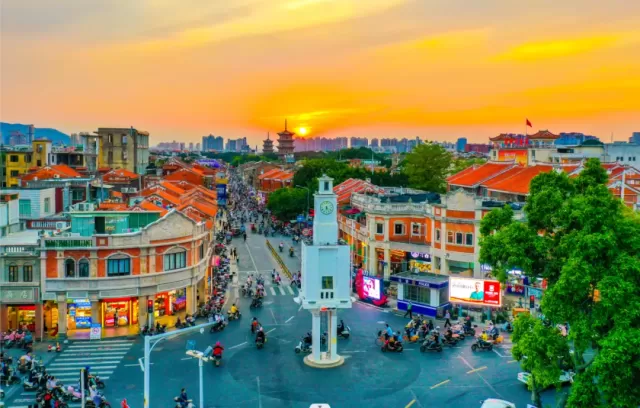
Continuing north, you'll reach Quanzhou , also in Fujian, China , a destination that holds the distinction of being the only UNESCO-recognized starting point of the Maritime Silk Road. Marco Polo is said to have described it as the most prosperous city in the world, and thanks to that past prosperity and the great influx of trade and cultures it experienced, it possesses a nostalgic charm and authenticity rarely found elsewhere. On Xi Street, or Western Street (西街), which is over 1,300 years old, you can savor the most traditional flavors of Minnan cuisine while admiring the blend of old houses and Western-style buildings.
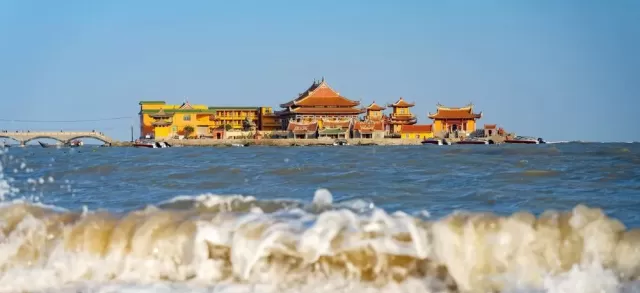
One spot you'll hardly forget is Luojia Temple. This Buddhist gem appears to float on the ocean at high tide, connected to the mainland only by a stone bridge. It's advisable to check the tide times to witness this phenomenon that transforms the sanctuary into a coastal paradise. To complete your cultural immersion, attending a performance at the Quanzhou Puppet Theater will allow you to appreciate a two-thousand-year-old art form where masters control up to thirty strings simultaneously—a skill protected as an intangible cultural heritage of humanity.
Wuyi Mountains:
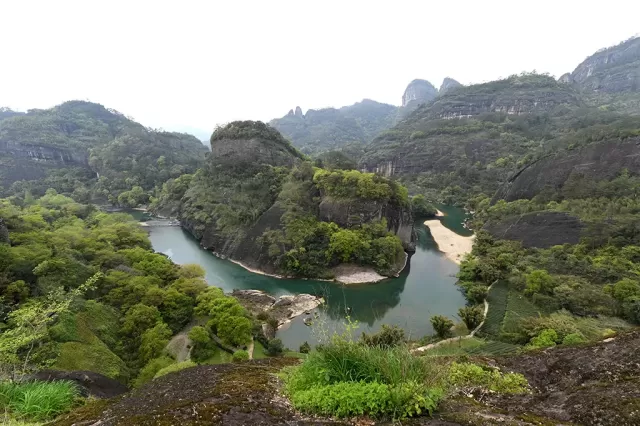
It would be a mistake to exclude the Wuyi Mountains from a trip to Fujian Province. This UNESCO World Heritage Site is famous for its Danxia landforms and as a spiritual center where Confucianism, Buddhism, and Taoism converge. One of the most memorable experiences you can have is a descent down the Jiuqu River (the Nine Bends Stream) on a bamboo raft. Along its 62 kilometers, you'll see craggy peaks and crystal-clear waters that have inspired poets and painters for centuries.
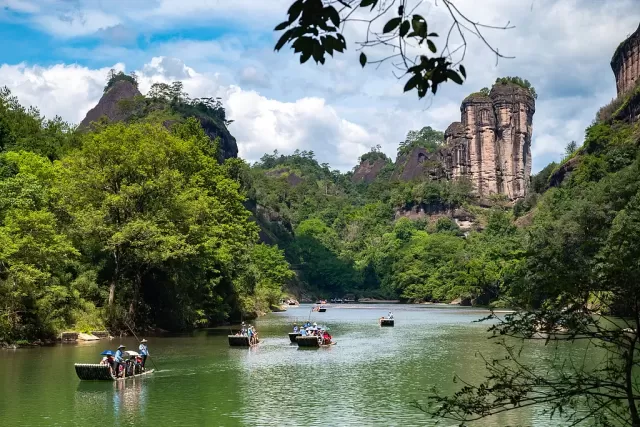
If you prefer heights, climbing Tianyou Peak will reward you with one of the best views in the region. From its 410-meter summit, you'll watch as clouds and mist envelop the neighboring peaks, creating a dynamic natural panorama. For those who enjoy the sounds of nature, the Huxiaoyan area offers a curious phenomenon: as the wind passes through the cavities in its rocks, it produces a sound similar to a tiger's roar, lending a mystical air to your hike. Incorporating these destinations into your itinerary will give you a profound and enriching insight into a China that, although less frequented by mass tourism, holds some of the most valuable treasures of Southeast Asia.
