English

Did you know that winter has already begun in China? Winter tourism is picking up earlier than expected.
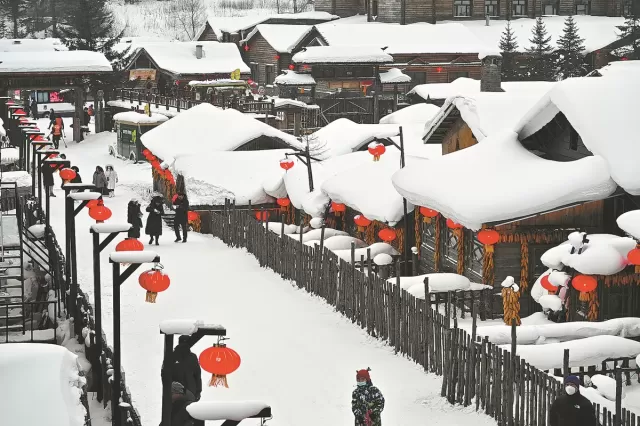
The thermometer has dropped earlier than usual this year, and with it, the winter tourism season in China has begun much earlier than normal. This weather phenomenon has not only made the local population feel the cold more intensely, but it has also boosted the travel market, offering a unique opportunity for travelers seeking an authentic winter experience, without the typical crowds.
China's natural landscapes and traditional architecture take on a completely different charm during this season. Dare to see it for yourself?
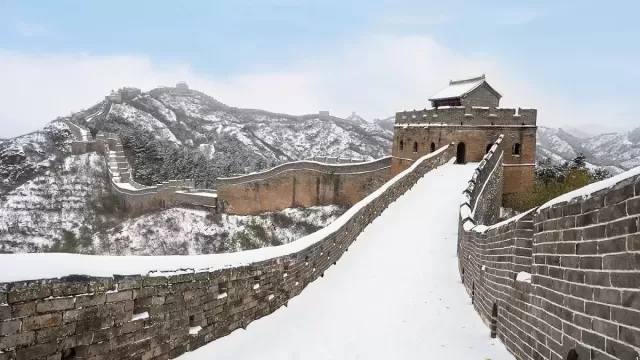
The Great Wall of China in Beijing covered in snow
The Cold Calendar: When is winter in China?
Winter in China, influenced by its vast territory and monsoon climate, typically lasts from December to February. However, the first cold spells can be felt as early as late November, especially in the northern and northwestern regions. This year, the travel portal Tuniu predicts that the first peak of the winter season will occur around the solar term "Xiaoxue" or "Little Snow," which fell on November 22. This period symbolizes the increasing cold and the arrival of the first frosts, marking the time for snow and winter sports enthusiasts to head out.
However, the absolute peak of the season, with the highest prices and the greatest influx of visitors, will be concentrated around the winter student holidays and the Chinese New Year, or Spring Festival, which in 2026 will take place in mid-February. If you're looking to avoid the crowds and find more affordable prices, considering the weeks leading up to this holiday could be a wise strategy.
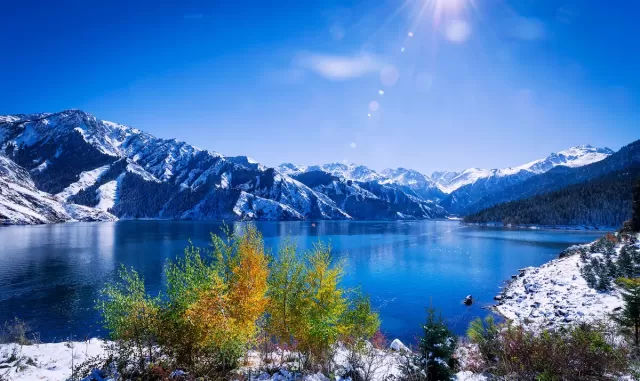
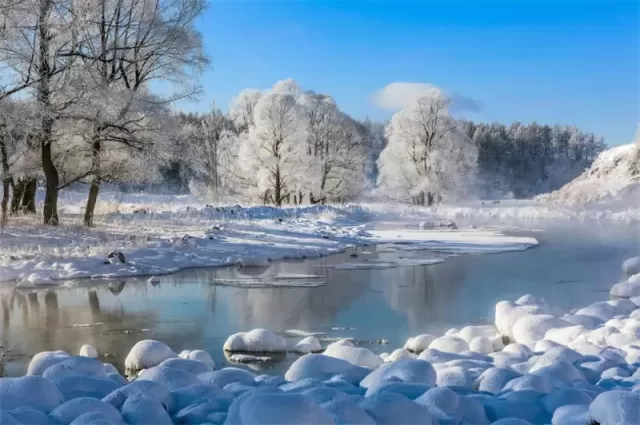
Lake near the city of Urumqi, Xinjiang
The demand for winter tourism is not evenly distributed. According to Tuniu data, over 70% of bookings for winter destinations come from residents of warmer eastern and southern regions, such as Shanghai, Zhejiang, and Guangdong. For these citizens, accustomed to mild winters, the search for snow is a powerful motivator—a sentiment you, as a Latin American traveler, might understand if you come from a tropical or temperate climate.
The most popular destinations
1. The Northeast (Dongbei) and the Northwest:
Currently, the most attractive destinations for winter tourism are located in the northeastern and northwestern provinces of China. Qi Chunguang, vice president of Tuniu, confirms that places like Harbin, in Heilongjiang province, and Altay, in the Xinjiang Uyghur Autonomous Region, are generating the most interest.
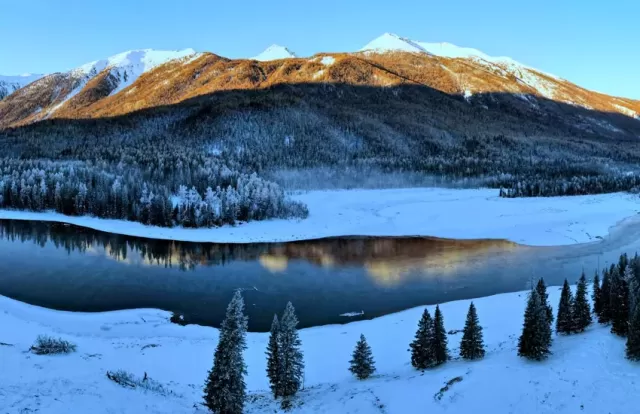
- Xinjiang: The Early Cradle of Skiing: The Xinjiang region is positioning itself as a premium destination. It's the place in China where the ski season starts earliest, around mid-October. It attracts skiers from all over the country with its high-quality snow, well-equipped winter resorts, snow-covered mountains, and the allure of discounted airfare during the early off-season.
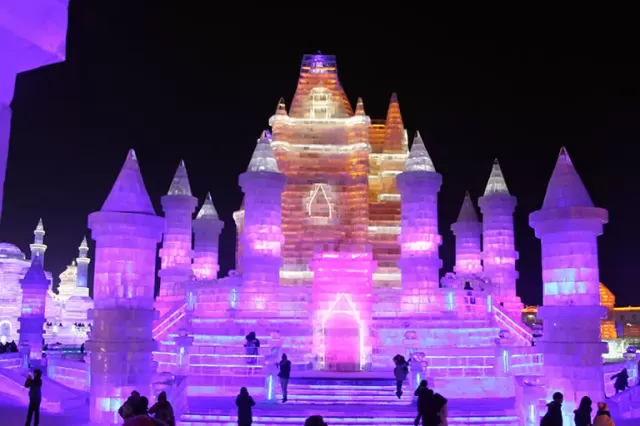
- Harbin: The Ice Capital: Harbin is synonymous with winter in China. Its famous "Harbin Ice-Snow World" is the world's largest ice and snow theme park, and this year it's expanding even further, using over 400,000 cubic meters of ice and snow.
- Inner Mongolia: The White Vastness: Destinations like Hulunbuir have become increasingly popular, offering vast, snow-covered plains and an immersion in nomadic culture. The region has officially launched a five-month ice and snow tourism season, featuring 159 cultural activities, 48 sporting events, and 45 themed travel routes. Flagship events such as the 21st Inner Mongolia Nadam Snow and Ice Fair and the 22nd China-Russia-Mongolia International Ice and Snow Festival in Manzhouli, a border town, are major attractions.
Government Strategies and Opportunities for Tourists
Local authorities are fully aware of this "boom" and are implementing innovative policies to take advantage of it.
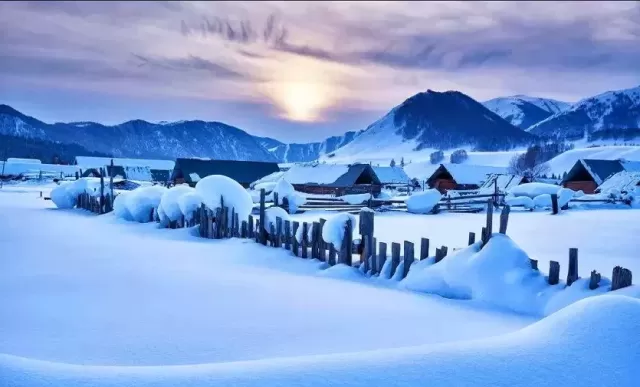
- Altay's "Snow Break": One of the most talked-about initiatives is the one announced by the Altay Education Bureau in Xinjiang, which has offered the first-ever "snow break" for primary and secondary school students. From December 1st to 5th, students in the area will enjoy a variety of discounted events, including reduced ski resort admissions, special hotel room rates, and free public transportation within Altay. If you travel during this time, you'll find a vibrant and family-friendly atmosphere.
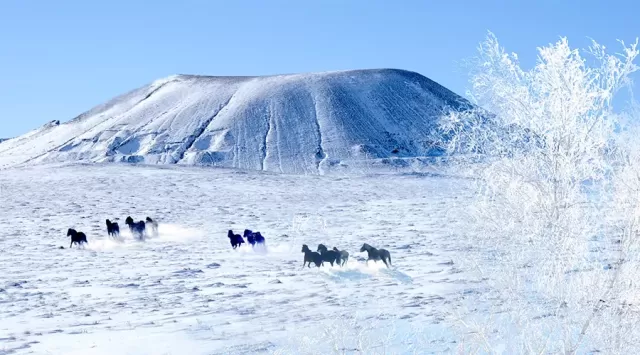
- Nationwide Incentives: This is a nationwide trend. Jilin Province, neighboring Heilongjiang, is issuing 100 million yuan worth of winter tourism vouchers and offering discounted transportation to ski resorts. In Inner Mongolia, cities like Ulanqab and Arxan are highlighting their local attractions, such as volcanic skiing and snowmobiling. The region will distribute tourism vouchers and create combined "ski-hot spring" tickets to reduce costs for visitors. Additionally, heated rest areas and hot drinks are being implemented, and resort opening hours are being extended to improve winter comfort.
All of this is part of a state plan to develop the ice and snow economy, with a turnover target of 1.2 trillion yuan by 2027 and 1.5 trillion by 2030.
Practical tips for this season
According to the LY.com portal, flight bookings from major Chinese cities to winter destinations such as Harbin, Urumqi, Altay, and Hulunbuir have surged since the beginning of November. Data indicates that airfare and hotel room prices in these popular destinations will experience a significant increase around January 1, 2026.
LY.com also notes that many travelers have already made advance bookings for hotels in Harbin and other popular destinations, scheduling their trips for late November and December. "According to our data, hotel room prices in places like Harbin will remain high from mid-December through the Spring Festival holiday in February."
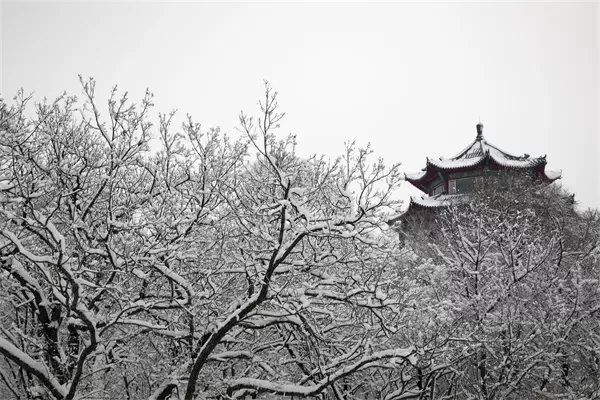
Jilin City, Jilin
In short, the Chinese winter is arriving this year with remarkable intensity and anticipation. For you, as a traveler, this translates into a longer season to enjoy its wonders, but also the need for earlier and more strategic planning. Observing the time windows between the first peak of the Xiaoxue festival and the absolute peak of the Chinese New Year, and keeping an eye out for innovative offers and incentives launched by different regions, can be the key to an authentic, diverse, and memorable winter experience in China. The cold has arrived earlier, and with it, the opportunity to discover the most frigid and fascinating side of the Asian giant.
