English

Traveling to South Korea: The Ultimate Guide to the Best Time to Visit and Requirements (K-ETA/Visa)
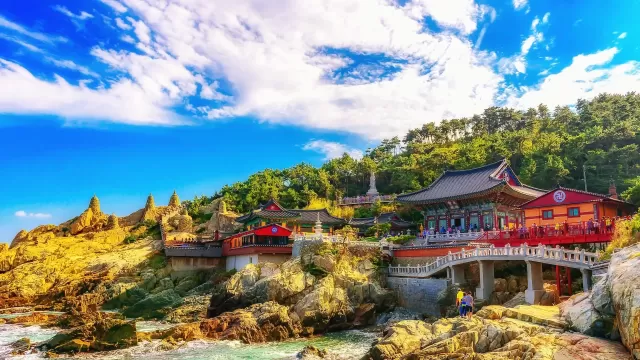
South Korea is a destination that captivates with its perfect harmony between ancient tradition and vibrant modernity. To plan an unforgettable experience, two key aspects are when to go and what you need for the trip. This comprehensive guide answers all your questions, from travel requirements to South Korea to the best time to visit , ensuring your adventure gets off to a great start.
Requirements for Traveling to South Korea: The Essentials
Before you dream of the temples of Gyeongju or the bustle of Gangnam, it's crucial to have your documents in order. The requirements for traveling to South Korea vary depending on your nationality.
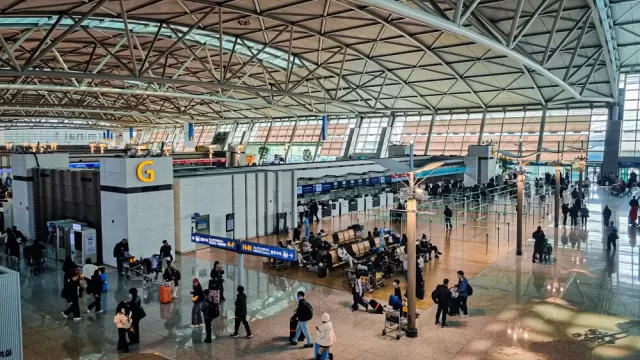
For most Latin American travelers:
The major new development is the K-ETA (Korea Electronic Travel Authorization). It's a simple, mandatory online process for citizens of visa-exempt countries, which includes almost all Spanish-speaking nations, with one important exception: Spain (Spanish citizens do not need a K-ETA or a visa for short tourist stays).
What do you need to apply for the K-ETA?
- A valid passport with an expiry date longer than your stay (at least six months).
- A valid email address.
- A recent passport-style photograph (white background).
- A debit or credit card to pay the fee, which is around 7-8 USD .
- Basic information about your itinerary.
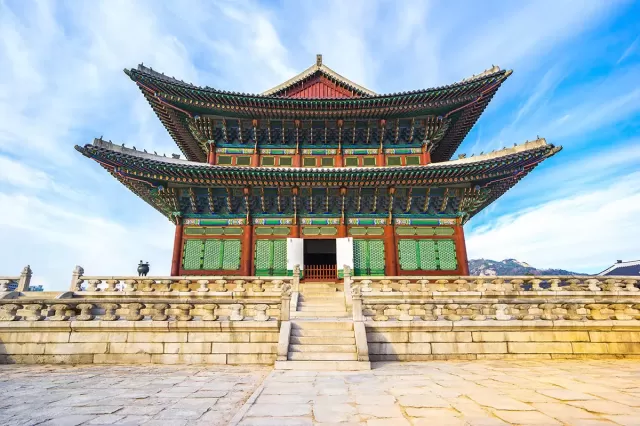
Important exceptions:
- Citizens of Cuba and Bolivia: You are not exempt from visa requirements. You must apply for a tourist visa at the relevant Korean embassy or consulate before traveling.
- Spanish citizens: As mentioned, they do not require a K-ETA or visa for stays of less than 90 days.
In summary, the requirements you need to travel to South Korea are:
- Valid passport.
- K-ETA approved (for most Latin American countries) or Visa (for Cubans and Bolivians).
- Round trip ticket.
- Proof of accommodation.
- Sufficient funds for the stay.
Tip: Apply for your K-ETA at least 72 hours before your flight. Approval is usually quick, but it's better to be safe than sorry.
Finding Your Best Time to Travel to South Korea
South Korea has a distinct and predictable climate with four well-defined seasons. The best time to travel to South Korea depends entirely on the type of experience you're looking for.
To help you visualize it, here's a diagram of the seasons:
| Season | Months | Climate | Type of experience |
|---|---|---|---|
| Spring | April - June | Mild (15-18°C), sunny | Pleasant weather, cherry blossoms everywhere |
| Summer | July - August | Hot, very humid and rainy | Festivals, beaches, mountain hiking |
| Autumn | September - November | Cool, dry, clear skies | Autumn foliage (red and gold tones) |
| Winter | December - March | Intense cold, dry conditions and snowfall | Snowy landscapes, winter sports |
Spring (April - June): The Most Popular Season
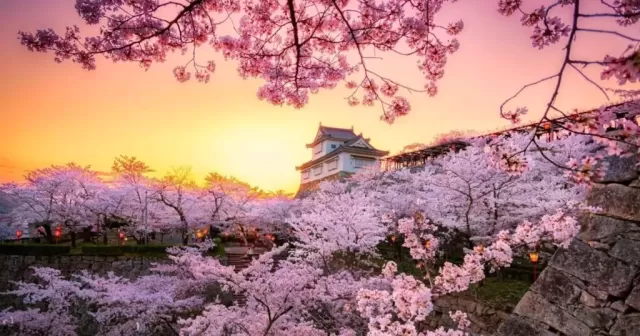
Undoubtedly, many consider this the best time to travel to South Korea . The days are long and pleasant (15-18°C), and the country awakens in a spectacle of color. The cherry blossoms, especially in Gyeongju and the parks of Seoul, are a truly magical time. There are plenty of activities to enjoy, and it's an ideal time to visit national parks like Seoraksan or Songnisan . It's the busiest time of year, so booking in advance is wise.
Autumn (September - November): The perfect alternative
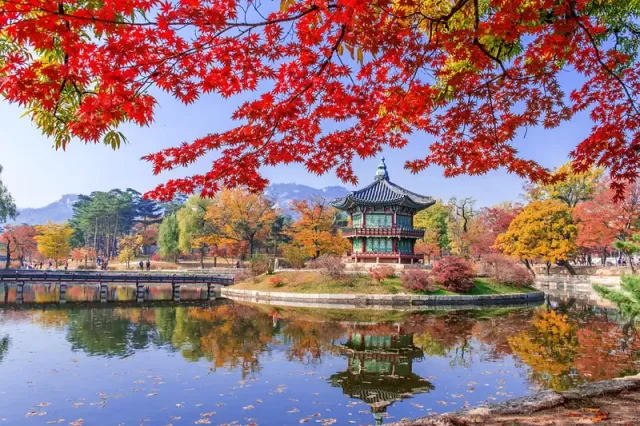
After a humid summer, autumn emerges with a fiery palette. Temperatures are mild (19-21°C), rainfall is scarce, and the mountain landscapes are ablaze with orange, red, and yellow hues. It's an ideal time to visit South Korea if you're looking for hiking with breathtaking views and perfect weather. Until October, you can even enjoy short sleeves on Jeju Island.
Spring or autumn? Both are excellent options. If your dream is to see the cherry blossoms, the best time is between March and May . If you prefer autumnal landscapes and cooler air, choose between September and November .
Summer (July - August): For the Heat Resistant

This is the best time to travel to South Korea if your goal is to explore nature, as the mountains offer a cool refuge. However, in the cities, the weather is very hot and humid, with the monsoon season peaking in July. That said, this is a time full of energy and vibrant festivals.
Winter (December - March): The Low Season with Its Own Charm
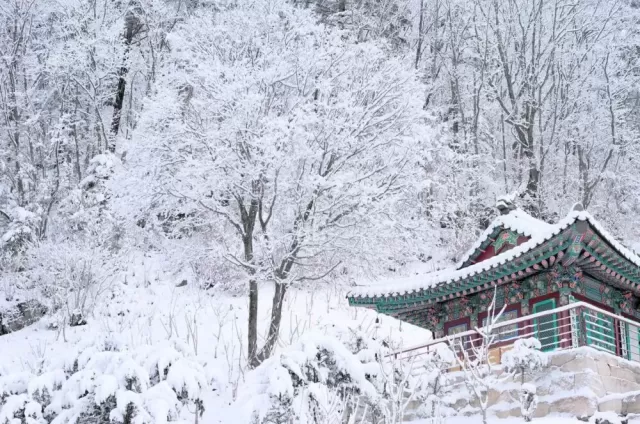
Winters are cold, dry, and snowy. Tourism drops significantly, making it the low season for travel to South Korea . January is the coldest month, with average temperatures of -2°C in Seoul.
Is it worth traveling in winter? Yes, if you're looking for a different experience. Seoul transforms into a more tranquil and serene place. The snowy landscapes are breathtakingly beautiful, accommodations are often discounted, and attractions are less crowded. It's the perfect time to enjoy jjimjilbangs (Korean baths), street markets with hot food, and winter sports. Just pack appropriate thermal clothing and choose attractions that sparkle in the snow, such as palaces or mountain villages.
Conclusion: Plan According to Your Preferences

There's no single answer to the best month to travel to South Korea . It all comes down to priorities.
- For flowery landscapes and the best possible weather: Choose spring .
- For hiking with autumn colors and clear skies: Choose autumn .
- For an intense mountain hiking adventure: Consider summer .
- For a less crowded atmosphere, with snow and lower prices: Dare to experience winter .
Remember! Regardless of the time of year you choose, managing the requirements you need to travel to South Korea in advance —mainly your K-ETA or visa— is the first crucial step.
